
Skin Care
How Does Postinor Affect the Menstrual Cycle
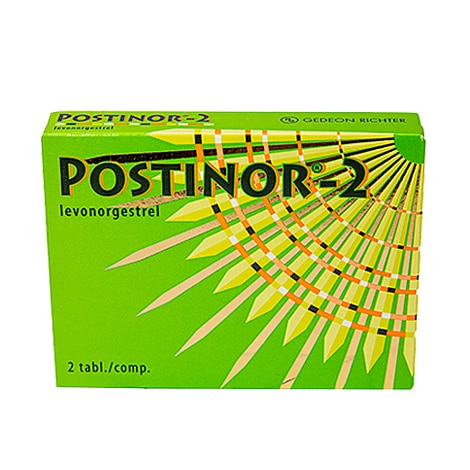
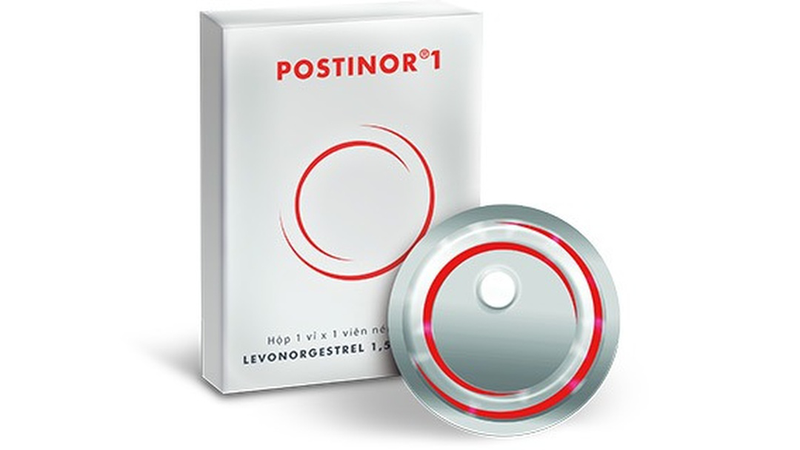
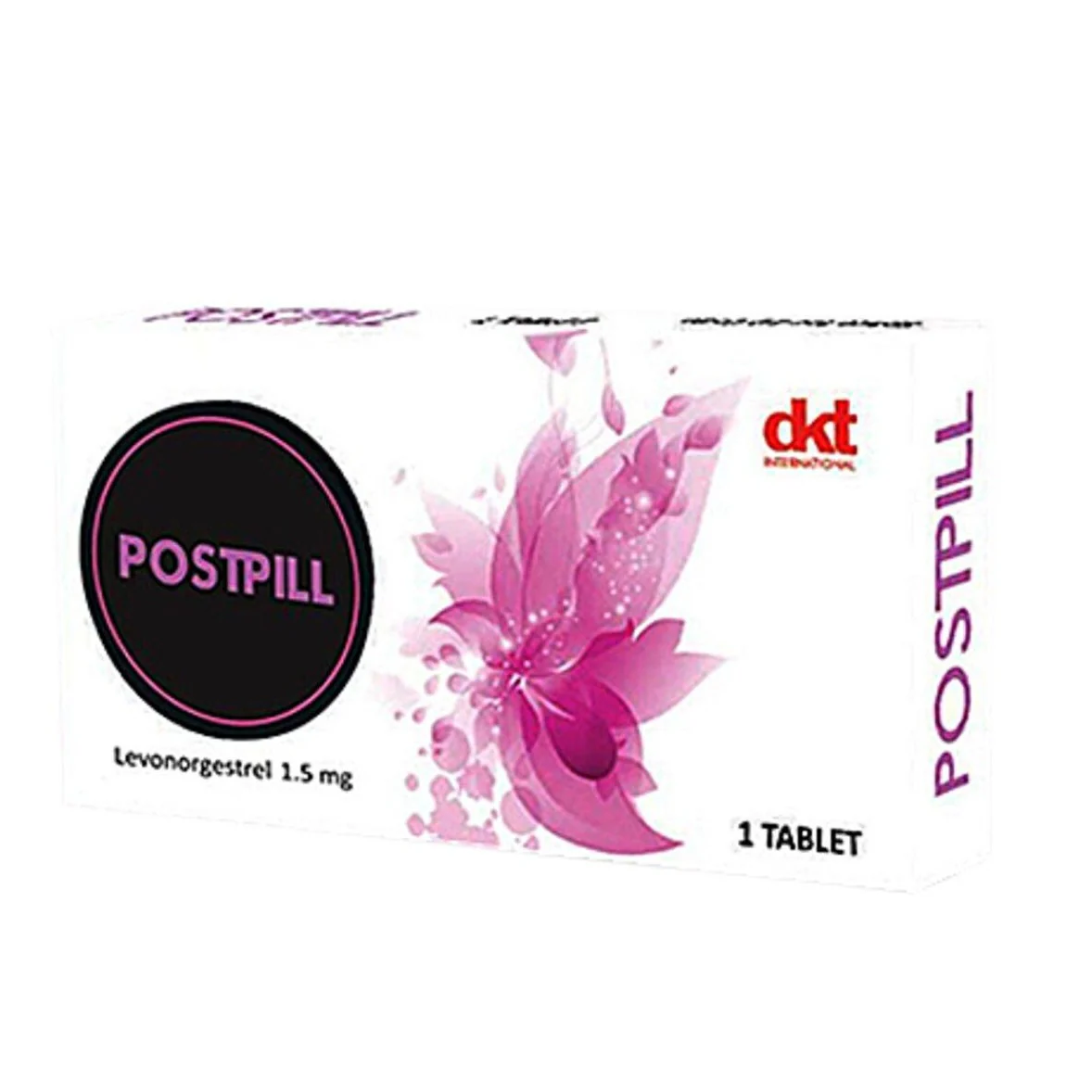
Postinor (levonorgestrel 1.5 mg) is an emergency contraceptive used to prevent pregnancy after unprotected sex or contraceptive failure. It works by delaying ovulation, preventing the release of an egg, and making the uterine lining less receptive to a fertilized egg. Unlike regular contraceptives, Postinor is a single-use emergency solution, not for consistent use.
Effects on the Menstrual Cycle
Positive Impacts:
- Effective Pregnancy Prevention: When taken within 72 hours, it significantly reduces pregnancy risk.
- Accessibility and Convenience: Over-the-counter availability and single-dose use make it a reliable emergency option.
Negative Impacts:
- Changes in Timing: Periods may be delayed or arrive early but usually normalize by the next cycle.
- Irregular Bleeding: Spotting or light bleeding may occur before the next period.
- Flow Variations: The next period may be heavier or lighter than usual.
- Hormonal Side Effects: Temporary symptoms include nausea, headaches, dizziness, and fatigue.
- Emotional Changes: Mood swings or irritability may result from hormonal fluctuations.
Preventing overuse
-
Frequent use of Postinor 2 can lead to hormonal imbalances and menstrual irregularities. Prevent overuse by:
- Using Regular Contraception: Consider long-term options like birth control pills, IUDs, or implants.
- Practicing Safe Sex: Consistent use of condoms reduces the need for emergency contraception.
- Seeking Guidance: Consult a healthcare professional for tailored contraceptive advice.
When to See a Doctor
Seek medical advice if:
-
- Missed Period: No period occurs within three weeks of taking Postinor.
- Severe Symptoms: Intense pain, heavy bleeding, or persistent hormonal side effects occur.
- Allergic Reactions: Symptoms like rash, swelling, or breathing difficulty develop.
CONCLUSION
Postinor is a valuable emergency contraceptive, but its effects on the menstrual cycle are typically temporary. Responsible use, regular contraception, and safe sex practices are essential for long-term reproductive health. Consult a healthcare provider for any concerns or guidance on contraceptive options.
Monday to Friday :
9am – 8pm
Saturday:
10am – 7pm
Sunday:
10am – 6pm